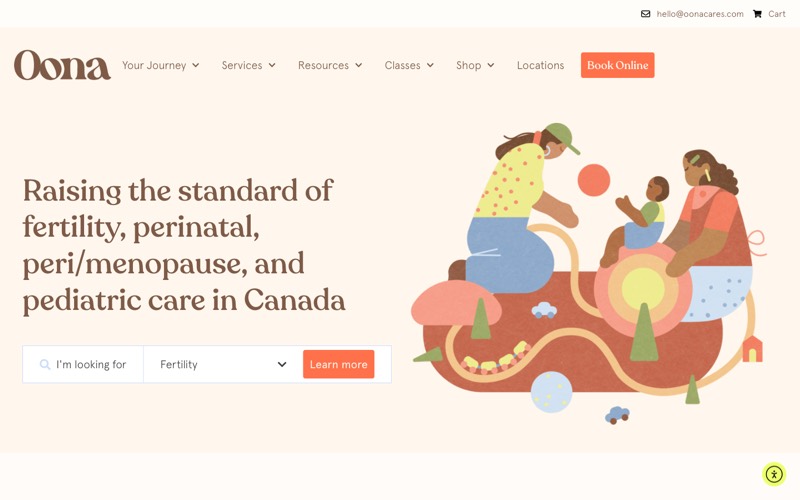
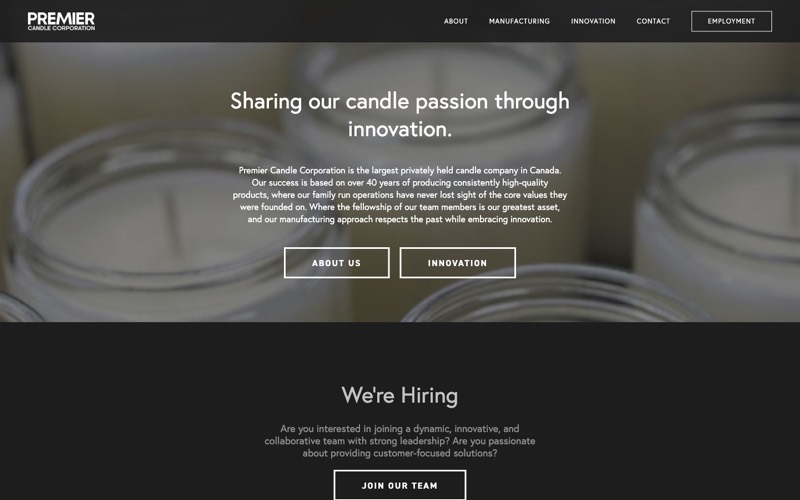
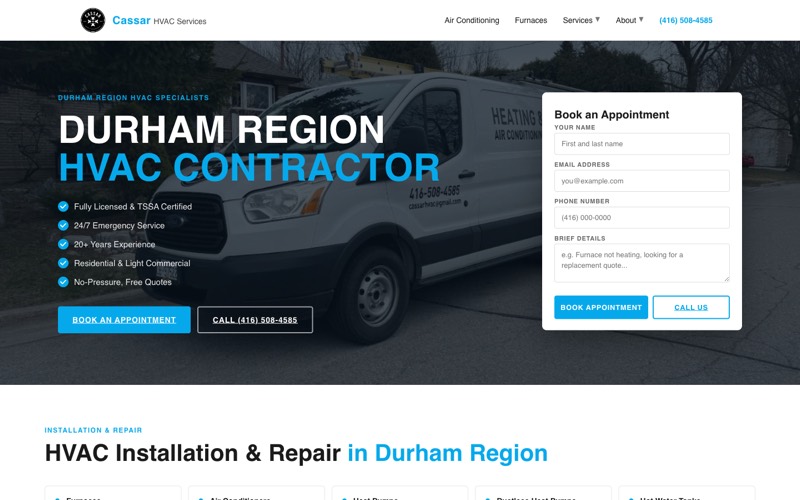
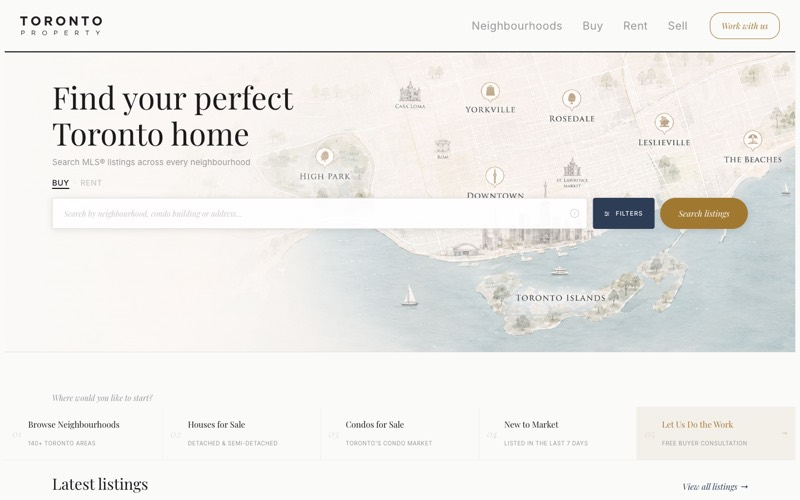
Every site starts with who your clients are, what they search for, and what it takes to turn a visitor into an enquiry. The result looks beautiful and performs.
Most websites are designed to look good in a presentation. They're not designed to rank in Google, be read by AI tools, or convert visitors into clients. The agency that builds your site rarely runs your ads or tracks your SEO. So they have no feedback loop on what actually generates enquiries. The site gets handed over and the relationship ends.
We run SEO, Google Ads and GEO alongside web development. Every site we build is informed by what we see working in live campaigns. The starting point is always the same: what does this business need its website to do?
That question decides the page structure, the heading hierarchy, the content priorities, the conversion pathways, the schema markup, and the technical choices. A site built from that starting point is a different object entirely from a site built from a mood board.

The result is sites that are technically excellent and visually considered, built from a brief that the people who do SEO and paid advertising wrote together. That's a feedback loop we close on day one.
We build websites that rank in Google, load fast on every device, and are fully readable by AI crawlers. That covers static HTML on Netlify, WordPress on a well-structured theme, React and Next.js for complex applications, and Shopify for e-commerce. The technology choice follows the brief. The performance standard is the same across all of them.
Web design and web development aren't separate departments here. The person drawing the layout knows what Googlebot needs from the heading structure. Schema markup is built in from the first page. The result is a site that looks considered and performs in search from day one.
We treat SEO as part of why the site is being built. The keyword targets are decided before the page structure is drawn. The internal linking plan exists before the content is written.
The same is true of AI search visibility. Sites we build are readable by GPTBot, ClaudeBot and PerplexityBot from the moment they go live. A JavaScript-rendered site is invisible to these tools. That gap is widening every month as AI-powered search grows.
| What most agencies build | What we build |
|---|---|
| Designed to look good in a demo | Designed to generate enquiries |
| SEO thought about after launch | SEO-informed from the first page |
| JavaScript-heavy, slow to load | Fast, clean, AI-crawlable HTML |
| Schema markup as an afterthought | Schema built in from day one |
| Handed over with no performance baseline | Launched with rankings and conversions tracked |
| Invisible to ChatGPT and Perplexity | Readable by every AI crawler |
The site's job is enquiries, and we build to that job.
Four stages, in order, on every build.
Before we write a line of code, we understand who your clients are and how they find you. What do they search for? What do they need to see to trust you? What's the one action we want them to take? Every design decision that follows is grounded in who the site is actually for.
We structure every page around the keywords your clients use, with the heading hierarchy, schema markup and internal linking that Google and AI tools need to understand what the page is about. It's in the brief before design starts. Pages structured this way rank sooner and hold position longer.
Page speed, Core Web Vitals and mobile performance are ranking factors and conversion factors at the same time. A slow site loses visitors and loses Google positions. We set a performance standard at the start of every project and build to it. Every site we deliver passes Core Web Vitals on mobile.
We write clean, well-structured code that a developer can read and maintain without needing us. No bloated page builders, no plugin dependency chains, no mystery CSS that breaks when you update something. The sites we build are fast because the code is clean, and they stay fast because the structure is sound.
The choice depends on what the site needs to do:
The right choice for businesses that need to update content themselves. We build on well-structured themes with clean code.
Our recommendation for any site where performance and AI crawlability are priorities. It loads in under a second, has nothing to patch, and can't be exploited through outdated plugins.
For complex web applications and sites that need dynamic functionality alongside strong SEO performance. Next.js handles server-side rendering, which means pages are crawlable even with dynamic content.
For e-commerce businesses. We build on Shopify's native infrastructure with custom theme development that's clean, fast, and properly structured for product and category SEO.
For projects that don't fit a standard platform. We scope these carefully, build to a clear specification, and document everything so the site can be maintained without depending on us.
For clients using Go High Level for CRM and automation. We build the public-facing site in static HTML for performance, with GHL handling forms, chat and follow-up sequences via embed.
Different industries, different platforms, same performance standard.
Interior Design · Austin, TX
A restrained, photography-led site that positions one of Austin's leading interior design firms with the visual confidence the work deserves.
View siteTalent & Influencer Agency
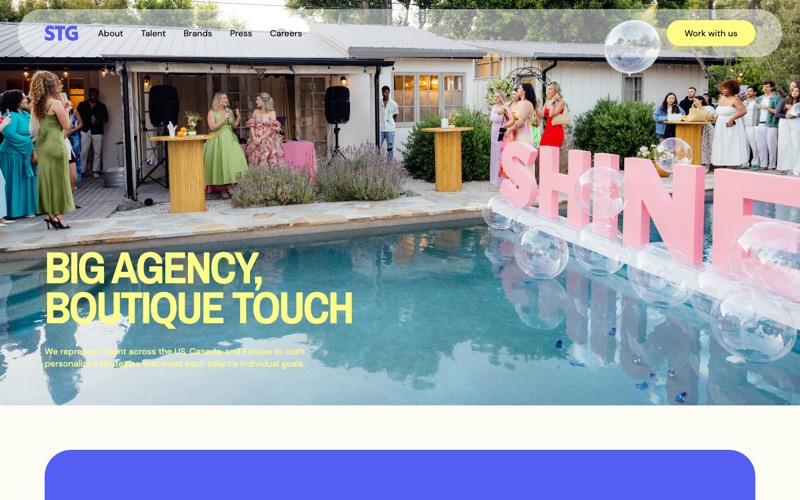
A bold, conversion-focused site built around two clear paths: talent seeking representation and brands seeking creators.
View siteInternational Cycling Events
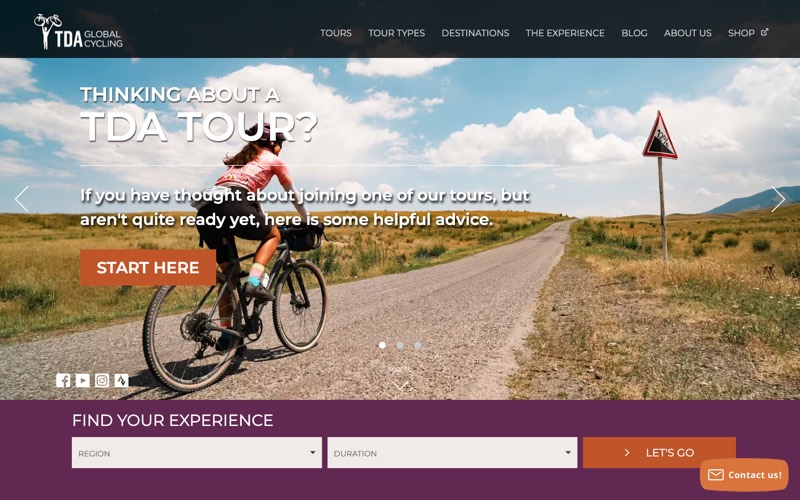
A content-rich event site handling registration, results, and editorial content across multiple annual races.
View siteHome Fragrance · E-commerce
A product-first e-commerce site built around clean visual hierarchy, fast load times, and category pages structured for organic search.
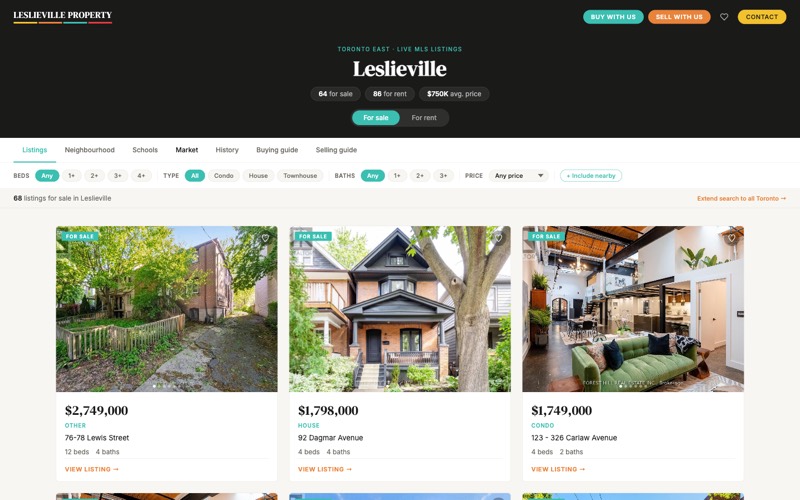
View siteReal Estate · Toronto, ON
A neighbourhood-rich real estate platform covering more than 180 Toronto and GTA areas, built on WordPress and structured for buyers and sellers researching specific communities.
View sitePsychology & Therapy · Oslo, Norway
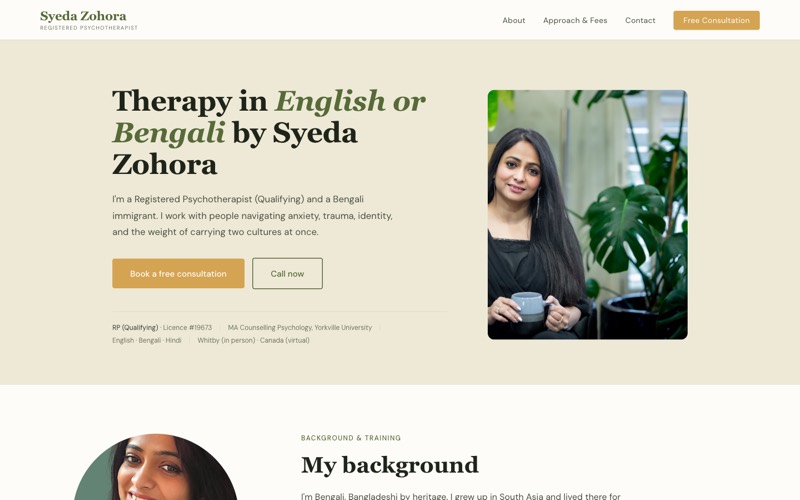
A restrained, trust-led site for an Oslo-based therapy practice, built around condition and service pages designed to rank for specific searches in both English and Norwegian.
View siteAI tools (ChatGPT, Perplexity, Claude, Google AI Overviews) are now sending traffic to websites. Being cited in an AI answer is the new first page of Google.
AI crawlers cannot execute JavaScript. A site built on a JavaScript-heavy framework where the content is rendered client-side is effectively invisible to these tools. They crawl the page and find nothing to read. Sites built in static HTML or server-rendered HTML are fully readable by every AI crawler from day one.
We explicitly allow all major AI crawlers in the robots.txt of every site we build: GPTBot, ClaudeBot, PerplexityBot, Googlebot. Many default robots.txt files were written before these crawlers existed.
Schema markup, which we build in by default, tells AI tools exactly what your business does, where you operate, and why you are credible. This is what gets you cited in AI answers. Without schema, a site is readable but anonymous.
A site we build starts earning AI citations from the day it goes live. This is the technical foundation of our GEO service, and it starts with how the site is built.
Lawyers, consultants, architects and accountants whose clients research them online before making contact. A site that ranks for the right searches and presents credentials clearly generates enquiries without paid advertising.
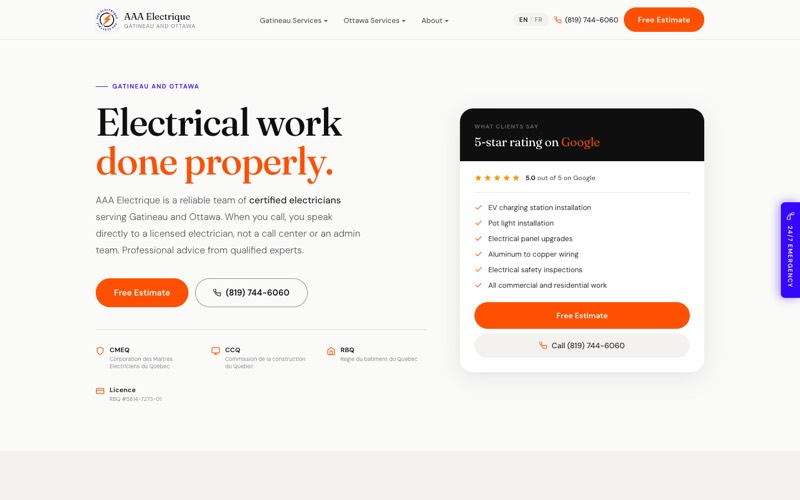
Plumbers, electricians, HVAC companies and contractors who need to rank in local search and Google Maps. We build trade websites that are fast, schema-rich and structured for the specific searches that drive calls and bookings.
Direct-to-consumer brands that need their product and category pages to rank in Google and be found through AI product recommendation queries. E-commerce SEO depends on both performance and crawlability.
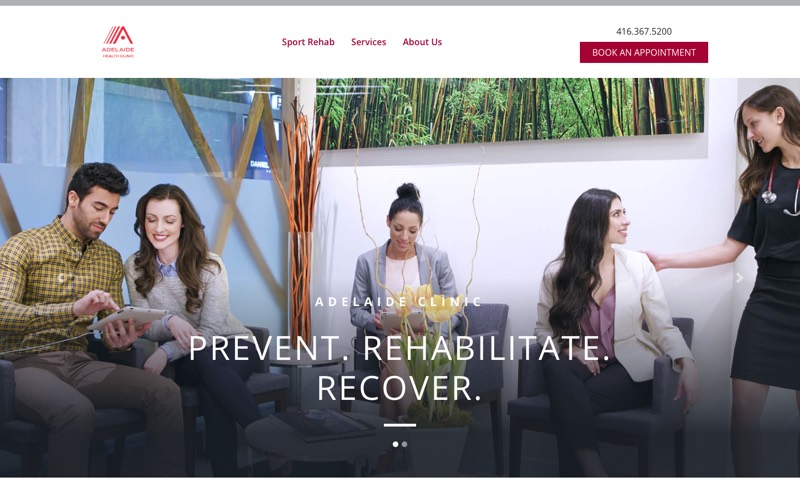
Practices that need patients to find them through specific treatment searches and trust what they find when they arrive. Clear credentials, fast performance and strong local schema markup all matter here.
Product companies that need their features, comparisons and category pages to rank and convert trial signups. We understand the specific structure that makes SaaS sites work in organic search.
Agents who need to rank for local property searches and present their listings and track record in a way that generates enquiries. Local schema markup and fast mobile performance are critical here.
Hotels, venues and event operators where the website is the primary booking driver. Speed, photography and clear conversion pathways directly affect revenue.
Any business growing fast enough that their current site is becoming a constraint. We scope the work honestly: sometimes that means a full rebuild, sometimes targeted improvements that get the performance the current site can't reach.
Every site starts with research into how your customers search. Page structure, content, and architecture all follow from that.
Web design is the visual and user experience layer: layout, typography, colour, how pages feel to navigate. Web development is the technical layer: the code that makes everything work, loads fast, and communicates correctly with search engines and AI tools. We do both from the same starting point: who is this for, what do they search for, and what does it take to turn a visitor into an enquiry. Design and development aren't separate stages. They inform each other throughout the build.
A well-scoped website build typically takes between four and ten weeks depending on complexity, number of pages, and how quickly content and feedback come back from the client. The single biggest variable in any build timeline is decision speed on the client side: the technical work moves quickly when the brief is clear. We scope every project in detail before starting so there are no surprises on timeline or cost. For trade and local service businesses using our SEO page factory, full multi-page builds can be delivered faster because the content system is already built.
Website projects range from $2,500 for a well-built small business site to $30,000 or more for complex custom builds. The right question isn't what the website costs but what it needs to do, and what a site that does that well is worth to the business. A cheap template site that ranks for nothing and converts poorly isn't a bargain. A $15,000 site that ranks in Google, loads fast, and converts consistently at a measurable rate pays for itself within months. We scope projects honestly and tell you upfront what the investment looks like.
We work across WordPress, static HTML, React, Next.js and Shopify depending on what the project needs. For businesses that need clients or staff to update content themselves, WordPress is usually the right choice. For businesses that prioritise performance above all, we build in static HTML hosted on Netlify. That means the fastest load times, AI crawlability, and maximum ranking potential. Static sites load in under a second, are fully crawlable by AI tools like ChatGPT and Perplexity, and have no plugin vulnerabilities or update overhead. We recommend the right stack for the specific brief.
It depends on how the site is built. AI crawlers such as GPTBot, ClaudeBot and PerplexityBot can't execute JavaScript. A site built on a JavaScript-heavy framework where the content is rendered client-side is effectively invisible to AI tools. A site built in static HTML or server-rendered HTML is fully readable. This is one of the most important technical decisions in a web build right now. We build sites that AI crawlers can read by default, which means your site is building GEO citation potential from the day it goes live.
Significantly. Page speed, mobile performance, Core Web Vitals, heading structure, schema markup, internal linking, and clean crawlable HTML all directly influence how Google ranks your pages. A visually beautiful site built on a slow, JavaScript-heavy platform with poor technical structure will consistently underperform a simpler site built cleanly. We treat technical performance as a design requirement. Every site we build passes Core Web Vitals, loads in under two seconds on mobile, and is structured the way Google needs to see it.
Lead generation from a website comes down to three things working together. First, the right traffic: people who are actively looking for what you offer. That requires SEO-informed page structure and keyword targeting built into the site from the start. Second, clear conversion pathways: visitors should never have to wonder what to do next or how to contact you. Every page needs a clear next action. Third, trust signals: specific credentials, real client outcomes, visible social proof. A site that has all three converts consistently. A site missing any one of them leaks leads at every stage.
Sometimes a rebuild is the right answer and sometimes targeted improvements achieve more for less. A clear way to decide is to look at what the existing site is built on, how it performs technically, and what it would take to fix the specific problems versus starting clean. A WordPress site on a solid theme with good bones can often be improved surgically. A site built on a slow page builder with poor code structure frequently costs more to fix than to rebuild properly. We give an honest assessment of both paths and a recommendation based on what makes financial sense.
Our clients are based across North America. New York, Chicago, Los Angeles, Toronto, Vancouver, Miami. Wherever you are, the process is the same, and it starts with a look at your current site.
We'll look at your current site, tell you honestly what's holding it back, and show you what a properly built site would do for your traffic and leads. Takes 15 minutes.
"In the first month of working with Attribute Media they generated 80 leads at $15 each."
"Attribute Media generated 100 leads for us from a $300 ad spend."
"We went from no leads and just a few first-time workouts to averaging 40 per month."
"Our return on ad spend over five years has been 4x. Attribute Media pay for themselves and then some."
Book your call
© 2026 Attribute Media · 50 Carroll Street, Toronto ON
hello@attribute.media